Reclaiming Our Time and Well-Being Through Rest
%2520Hibionada%2520(1).avif)
Rest is reframed as an essential part of healing, self-care, and emotional well-being. Inspired by Rest Is Resistance by Tricia Hersey, the piece encourages readers to release guilt and see rest as necessary, not selfish.
As a first-generation Filipina American and therapist, I have spent much of my life navigating the space between cultural expectations and caring for myself. Growing up, rest was rarely viewed as something essential. Instead, it felt like something that had to be earned only after everything else was finished.
Slowing down often came with guilt. Productivity was prioritized, and rest felt more like a luxury than a basic human need. Over time, those messages deeply shaped the way I viewed my own worth and well-being.
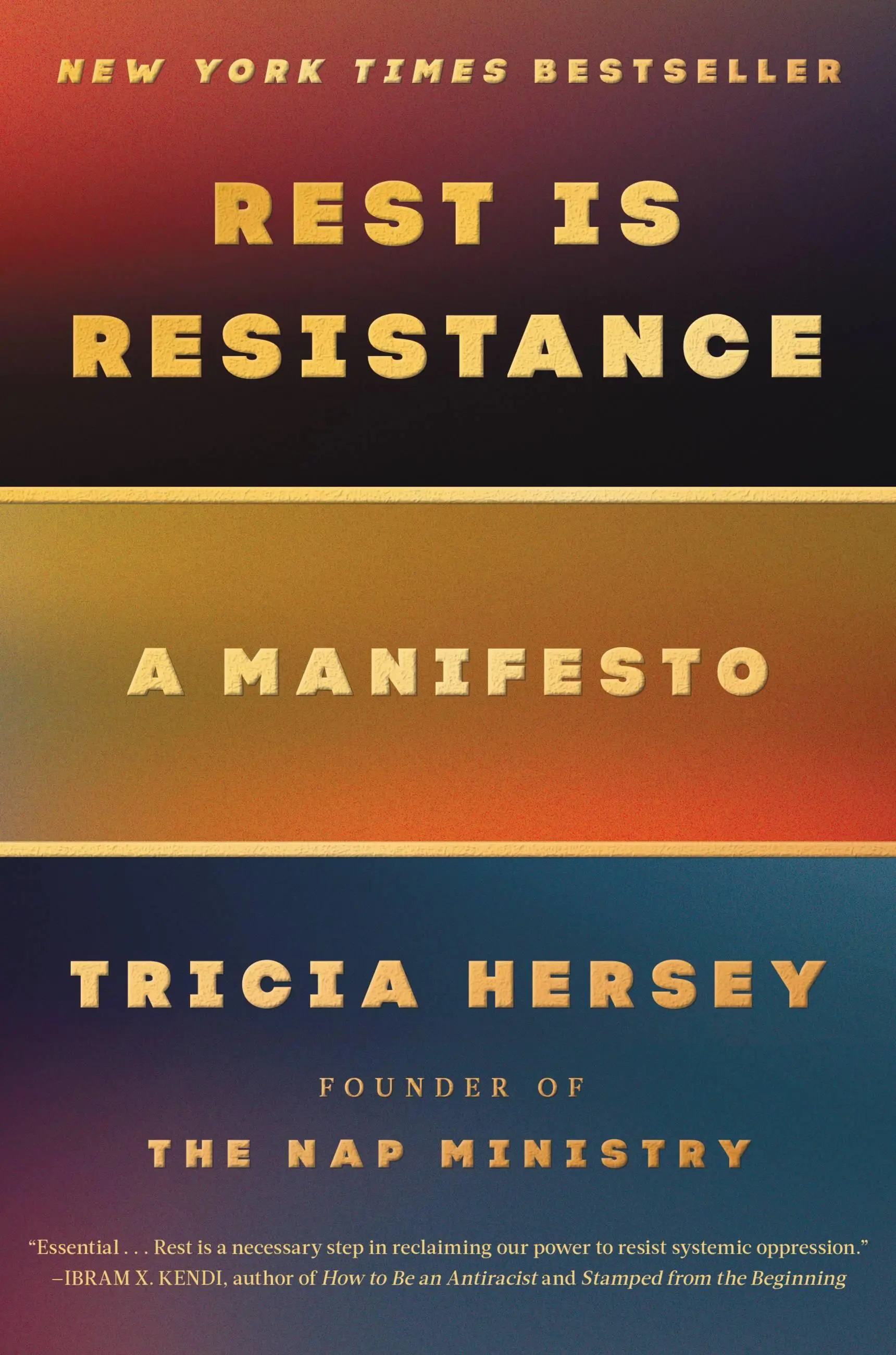
Reading the book Rest Is Resistance by Tricia Hersey helped me reconnect with a different perspective on rest. Hersey describes rest not as laziness or indulgence, but as a way to reconnect with ourselves, our bodies, and our humanity. In a culture that often measures value through productivity, choosing to rest can become a quiet act of resistance.
Many people struggle with the belief that rest is selfish. However, rest is essential for emotional, mental, and physical health. Without adequate rest, stress and burnout can begin to affect every part of life, including relationships, mood, focus, and overall well-being.
In my therapy practice, I frequently see the emotional effects of chronic exhaustion and rest deprivation. Clients often describe feeling overwhelmed, anxious, emotionally disconnected, or never feeling “good enough.” Through Hersey’s lens, these struggles are not simply personal failures. They are also shaped by larger societal pressures that encourage constant productivity while discouraging pause and recovery.
Encouraging intentional rest can be an important part of healing and self-care. It reinforces the idea that a person’s worth is not based on how much they produce or accomplish.
Rest can look different for everyone. According to Hersey, intentional rest may include:
- taking breaks throughout the day,
- silencing notifications,
- spending time daydreaming,
- sitting quietly in silence,
- listening to music,
- slowing down,
- or creating small moments of stillness throughout daily life.
Rest does not have to be perfect, structured, or lengthy to matter. Even brief pauses can help regulate the nervous system, reduce stress, and create space to feel more grounded and present.
The book Rest Is Resistance serves as a reminder that slowing down is not weakness, it is necessary for survival, healing, and well-being.
If you are feeling emotionally exhausted, overwhelmed, or disconnected from yourself, therapy can help you reconnect with balance, rest, and well-being. Book your appointment with Unify Counseling to begin your healing journey.
Have Questions? We're here to help.